President Jennifer L. Mnookin is pleased to announce The Columbia Colloquium, an interdisciplinary series of conversations, each led by some of our remarkable faculty members, and which will showcase our scholarship and invite us to reflect on Columbia’s shared intellectual purposes.
Each Colloquium discussion will bring multiple disciplines and perspectives to bear on a significant, big question of our time: Why do universities matter? What is the importance of curiosity and wonder? What does it mean to be human? What does it mean to be “of” New York City? Where is AI taking us? Can ideas still change the world?
Together, we will consider the evolving purposes and public responsibilities of a university, what it means to be Columbia University in the City of New York, and the emerging frontiers of human inquiry that will shape scholarship, discovery, and society in the years ahead.
Upcoming Events
Why Universities Matter
Thursday, October 28; Low Memorial Library at 12:00 p.m.
Knowledge, Democracy, and the Purposes of the University. What is the purpose of a great research university today?
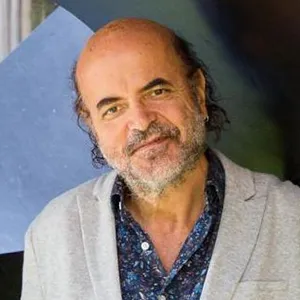
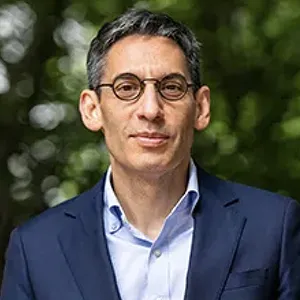
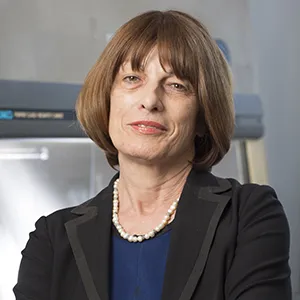
Wonder
Tuesday, November 17; The Lee C. Bollinger Forum at 6:00 p.m.
The Universe, Discovery, and the Pursuit of Knowledge. Why do humans seek knowledge? What lies beyond the edge of what we know now?
Being Human
Wednesday, December 2; Low Memorial Library at 12:00 p.m.
Consciousness, Creativity, and Culture. What makes us human?
Our City, Future Tense
Tuesday, January 26; The Lee C. Bollinger Forum at 6:00 p.m.
Cities, Climate, and the Future We Build. How do we build cities in which people – and the planet – can thrive? And how do we do that here, in NYC
The Next Frontiers
Tuesday, February 9; Low Memorial Library at 12:00 p.m.
AI, Quantum, Biotechnology, and Human Health. Which discoveries will redefine human life? Will we see convergence across some of these technologies? What are the opportunities (and dangers)?
Can Ideas Still Change the World?
Tuesday, March 2; The Lee C. Bollinger Forum at 6:00 p.m.
How do ideas matter in public life? How do they travel? How can knowledge serve democracy?